This site is optimized for best viewing on desktop computers.
No apology, No excuses!
The Science of Self Reliance as a Way of Life !
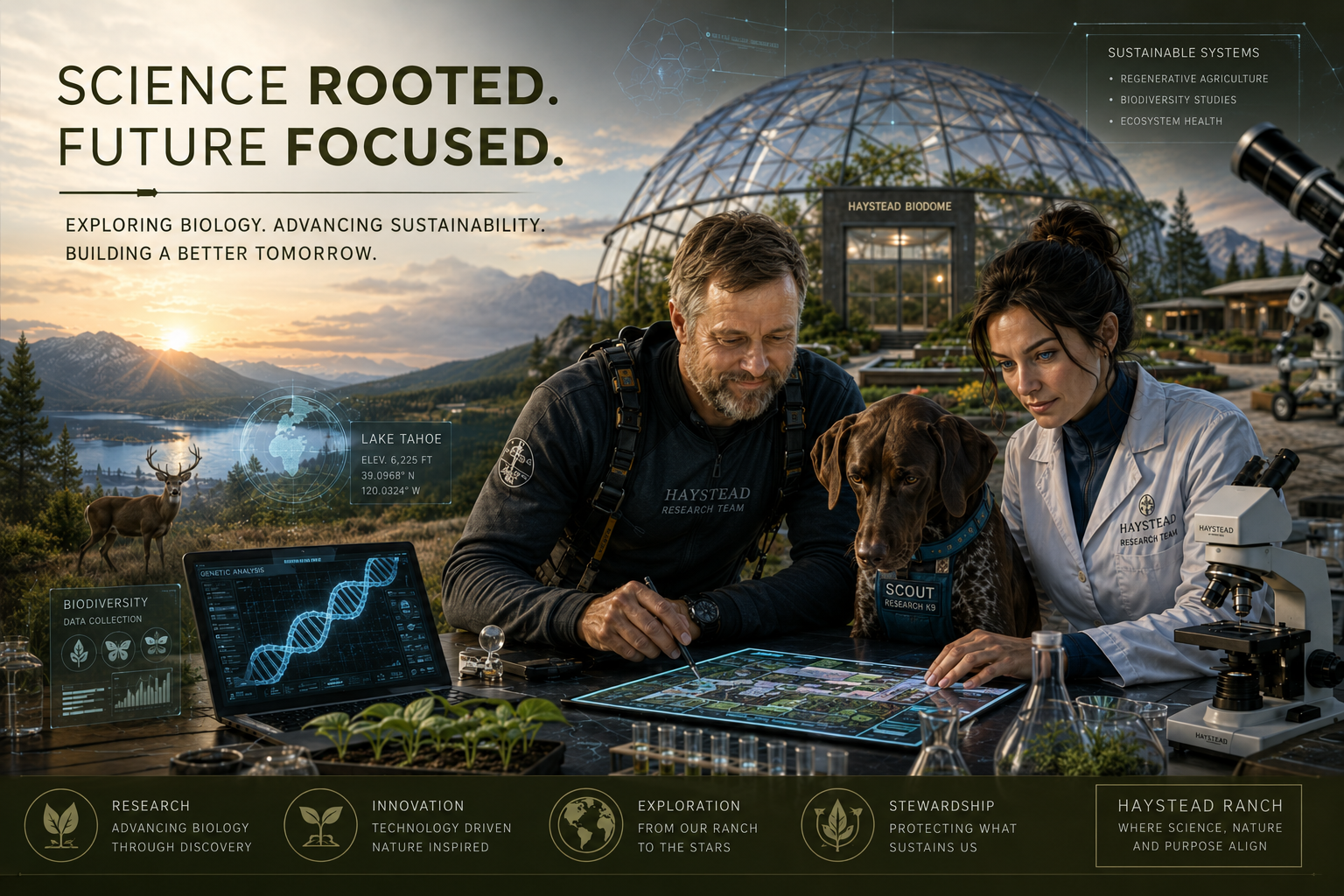
Haystead Research Ranch is an independent, science-driven project in Buckingham County, Virginia, combining agriculture, ecology, astronomy, diving, food science, and hands-on exploration.
“Nothing happens in defiance of science and nature, only what we know of both.”
Dana Scully

A Night Under Haystead Skies
September 16, 2026
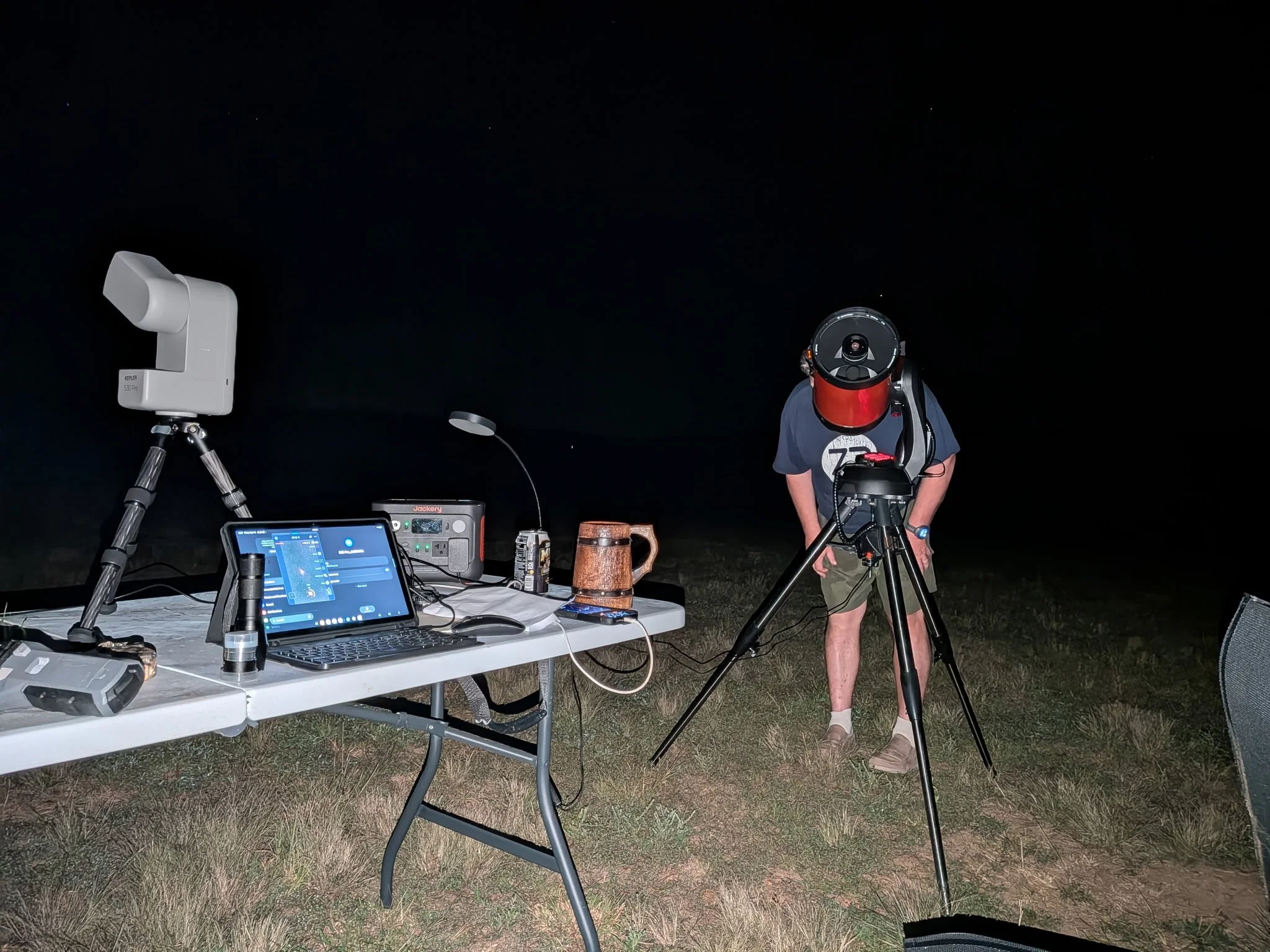
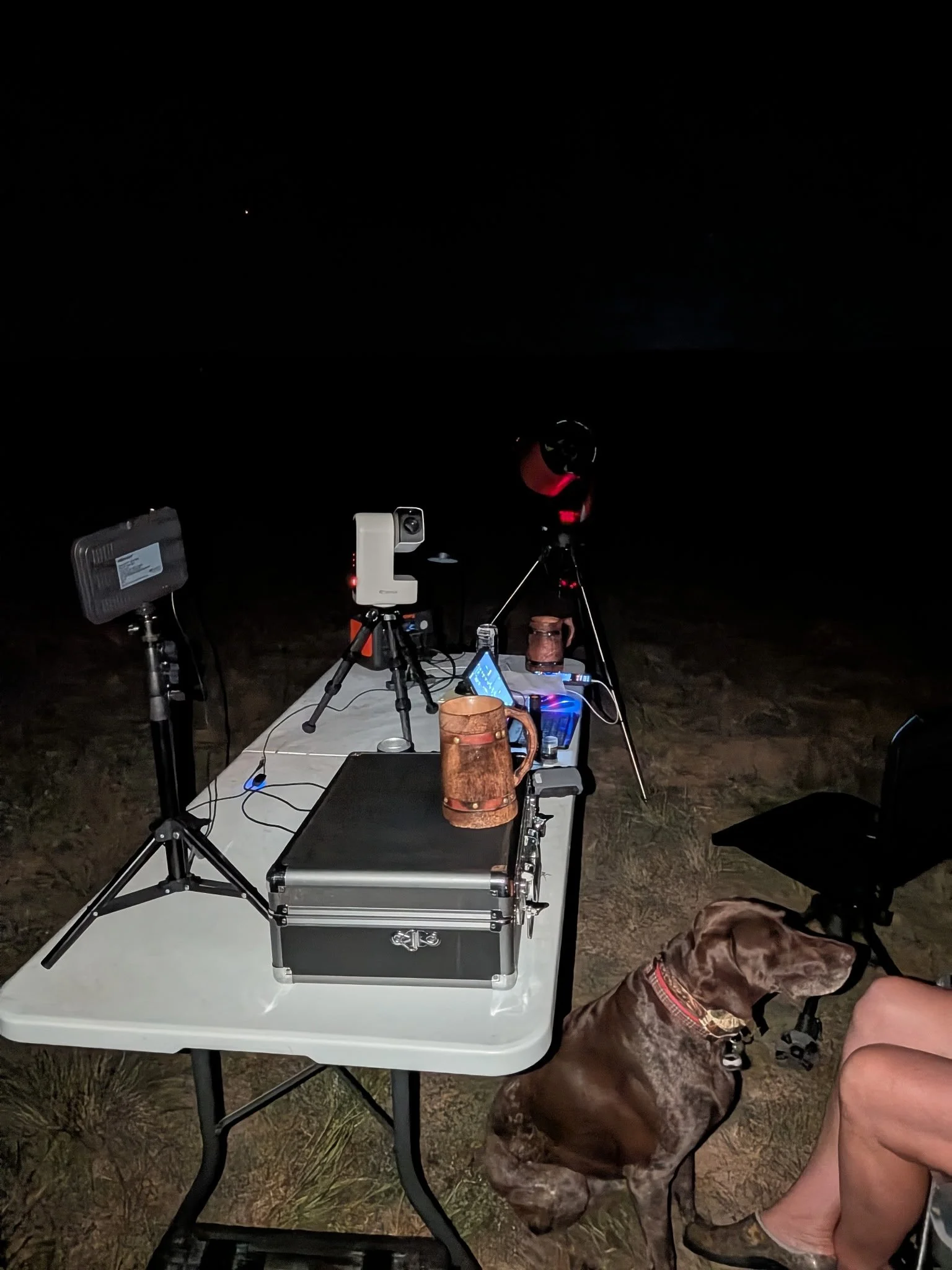
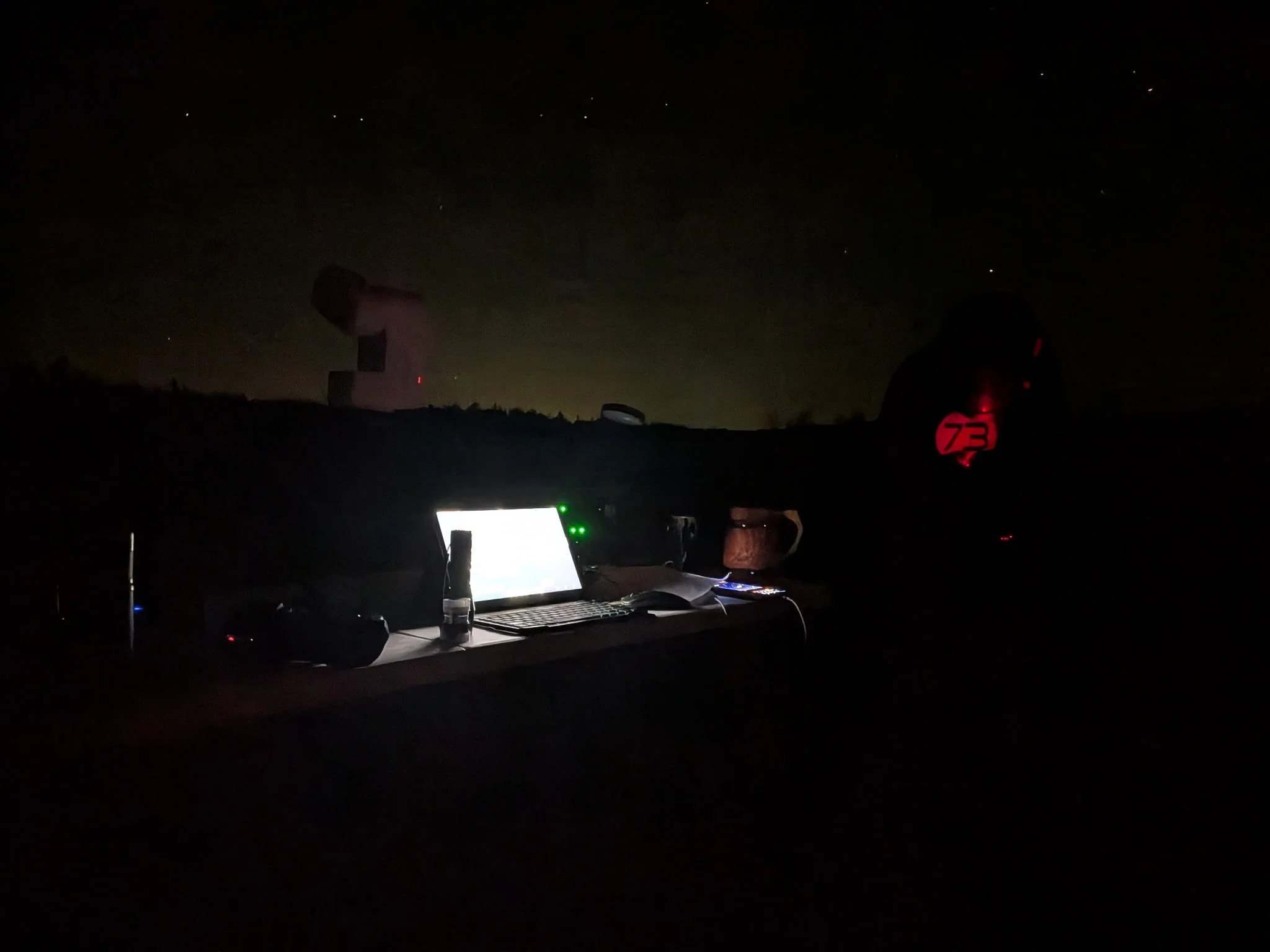
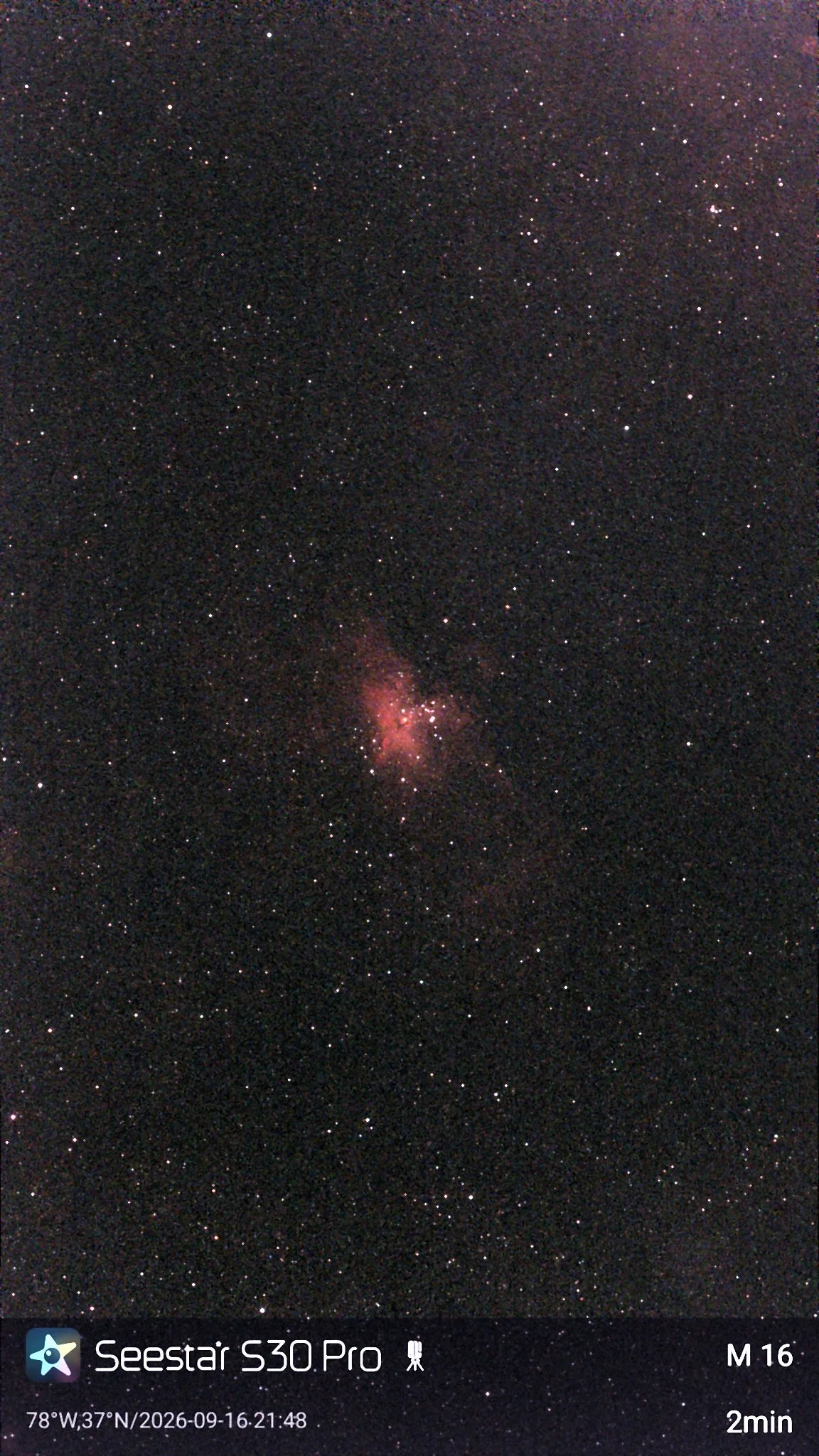
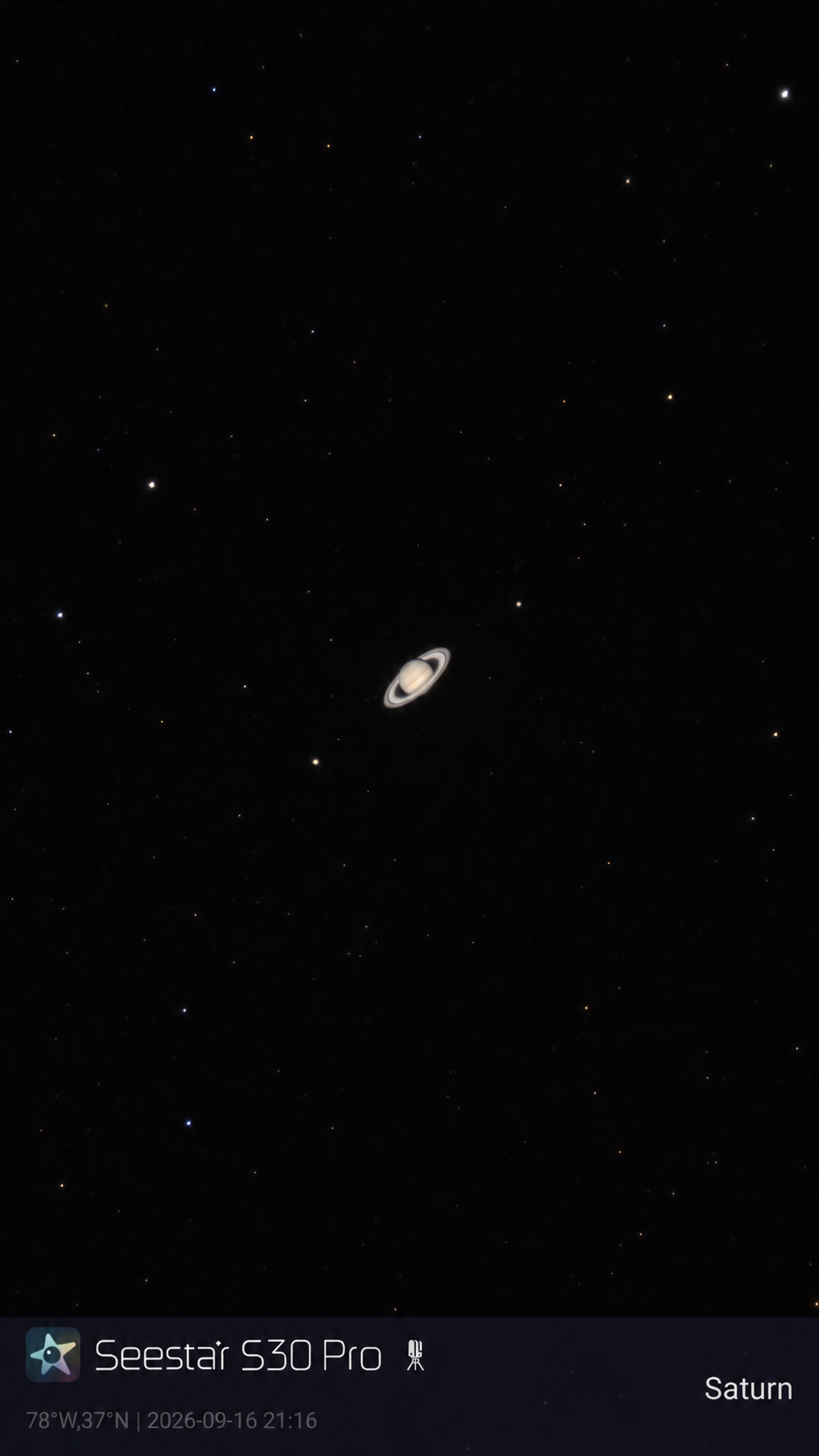
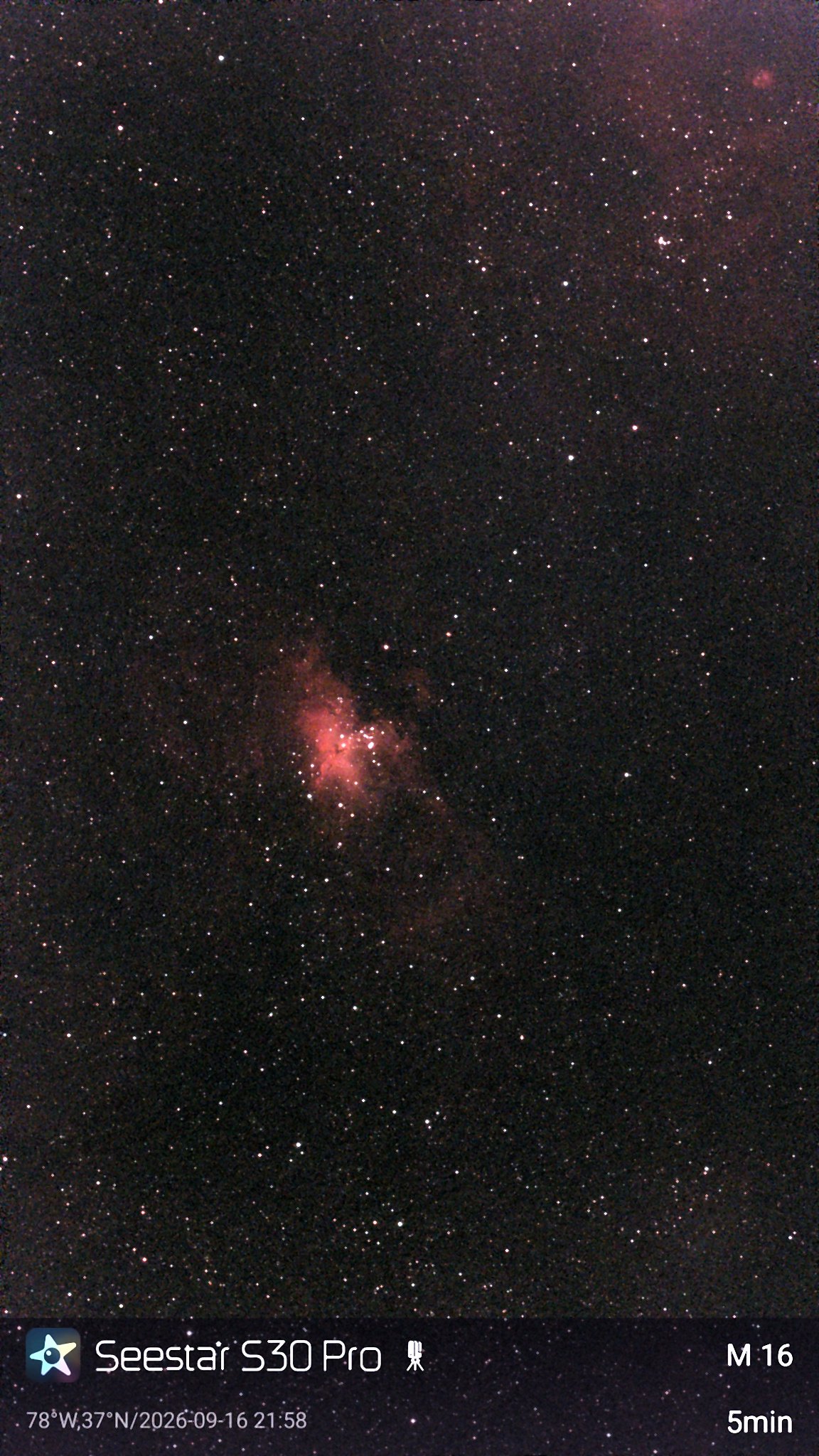
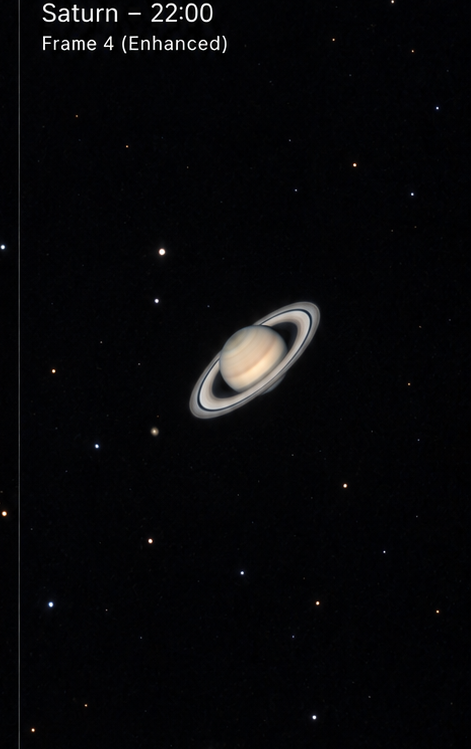
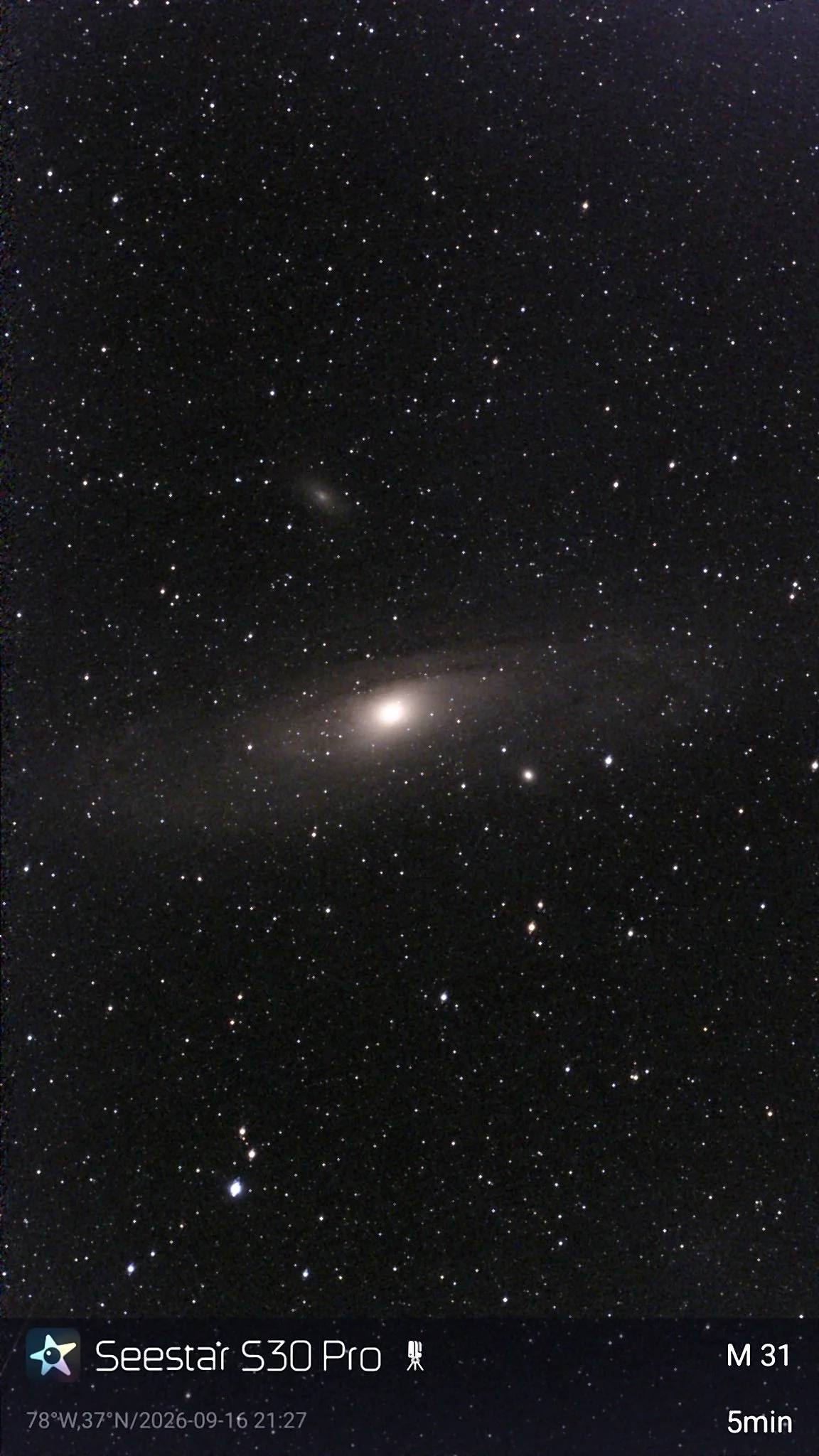
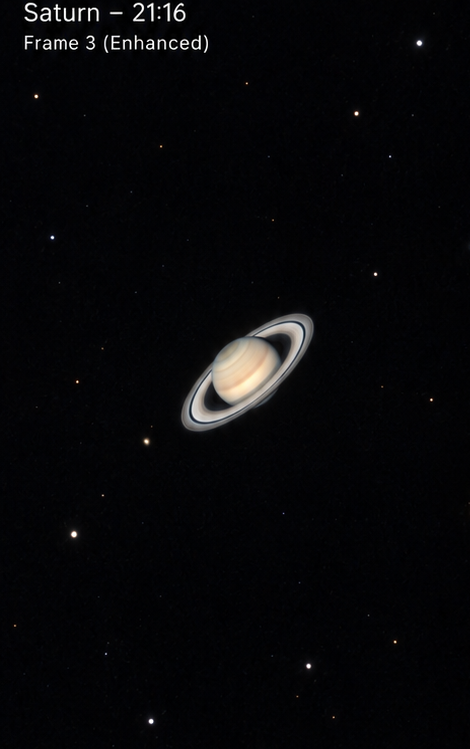
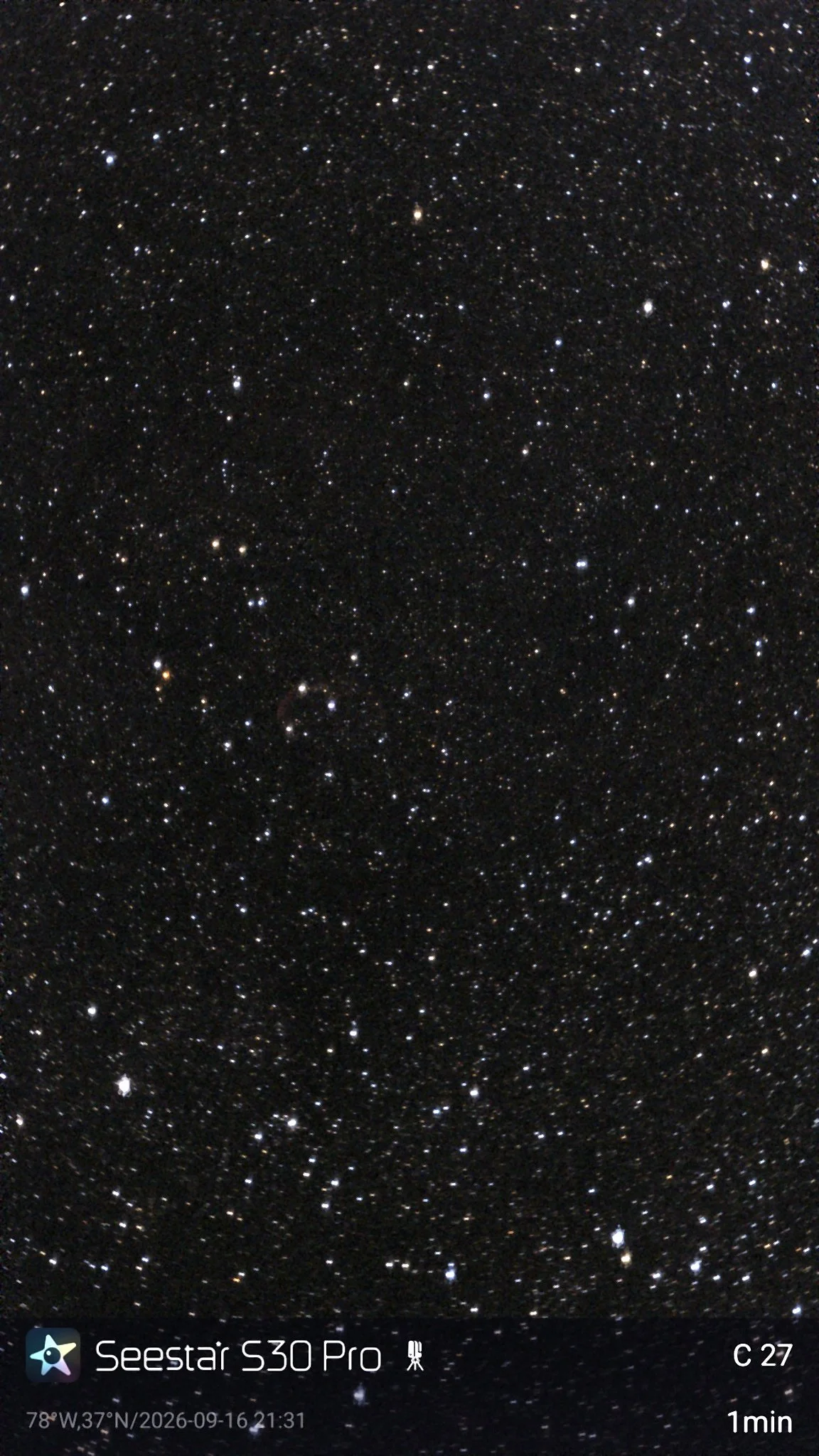
An evening at Haystead Research Ranch brought views of Saturn and the Moon, alongside deep-sky imaging of the Andromeda Galaxy, Bubble Nebula, and Eagle Nebula. Using our Celestron NexStar 8SE and Seestar S30 Pro, we explored everything from our nearest celestial neighbor to a galaxy beyond the Milky Way—all in a single night.
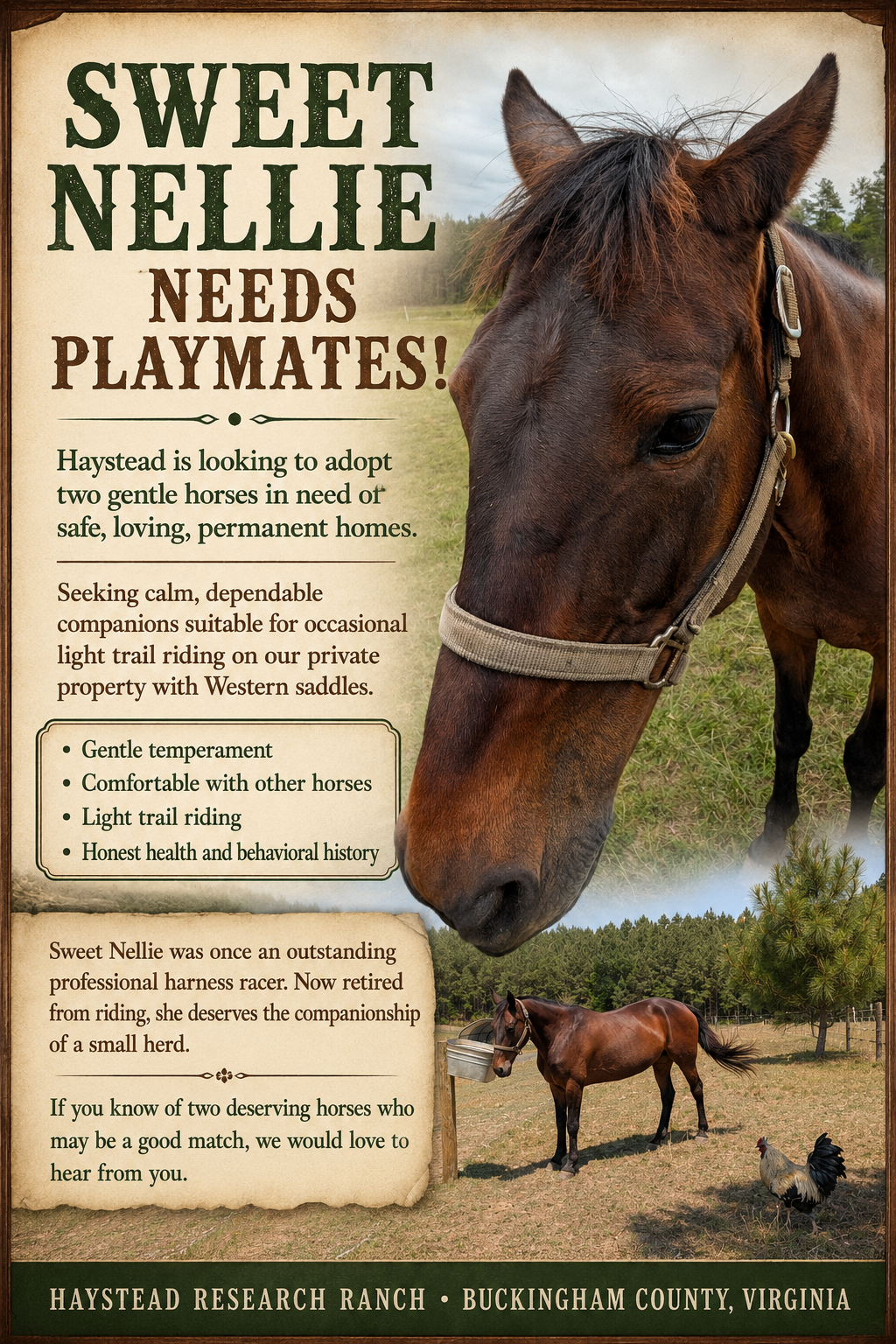
Sweet Nellie Needs Playmates!
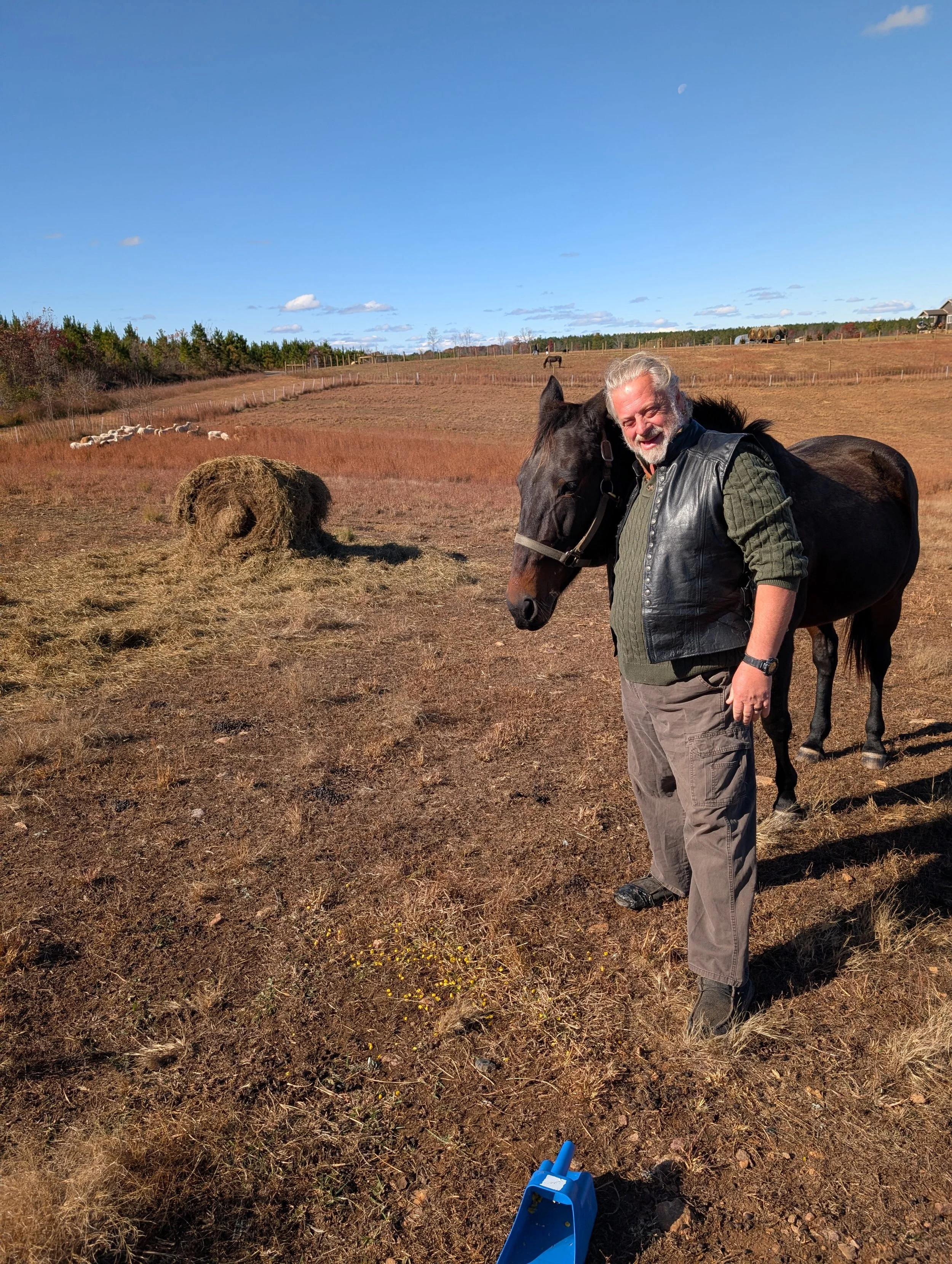
Back in her day, Sweet Nellie was an outstanding professional harness racer. Today, she is enjoying a well-earned retirement at Haystead Research Ranch. Although Nellie is now too old for saddle work and trail riding, she still deserves the companionship of a small herd.
Haystead is looking to adopt two gentle horses in need of a safe, loving and permanent home. We are particularly interested in calm, dependable horses suitable for occasional light trail riding around our private property.
The horses would be ridden gently using Western saddles. We are not looking for competition horses or demanding performance animals, just quiet companions that would enjoy relaxed trail rides, plenty of attention and life alongside Sweet Nellie.
The right horses should:
Have calm, gentle temperaments
Be comfortable living with other horses
Be suitable for light, relaxed trail riding
Be manageable with Western tack
Have an honestly disclosed health and behavioral history
Need a responsible, permanent home
If you know of two deserving horses who might be a good match for Nellie and the Haystead family, we would love to hear from you.
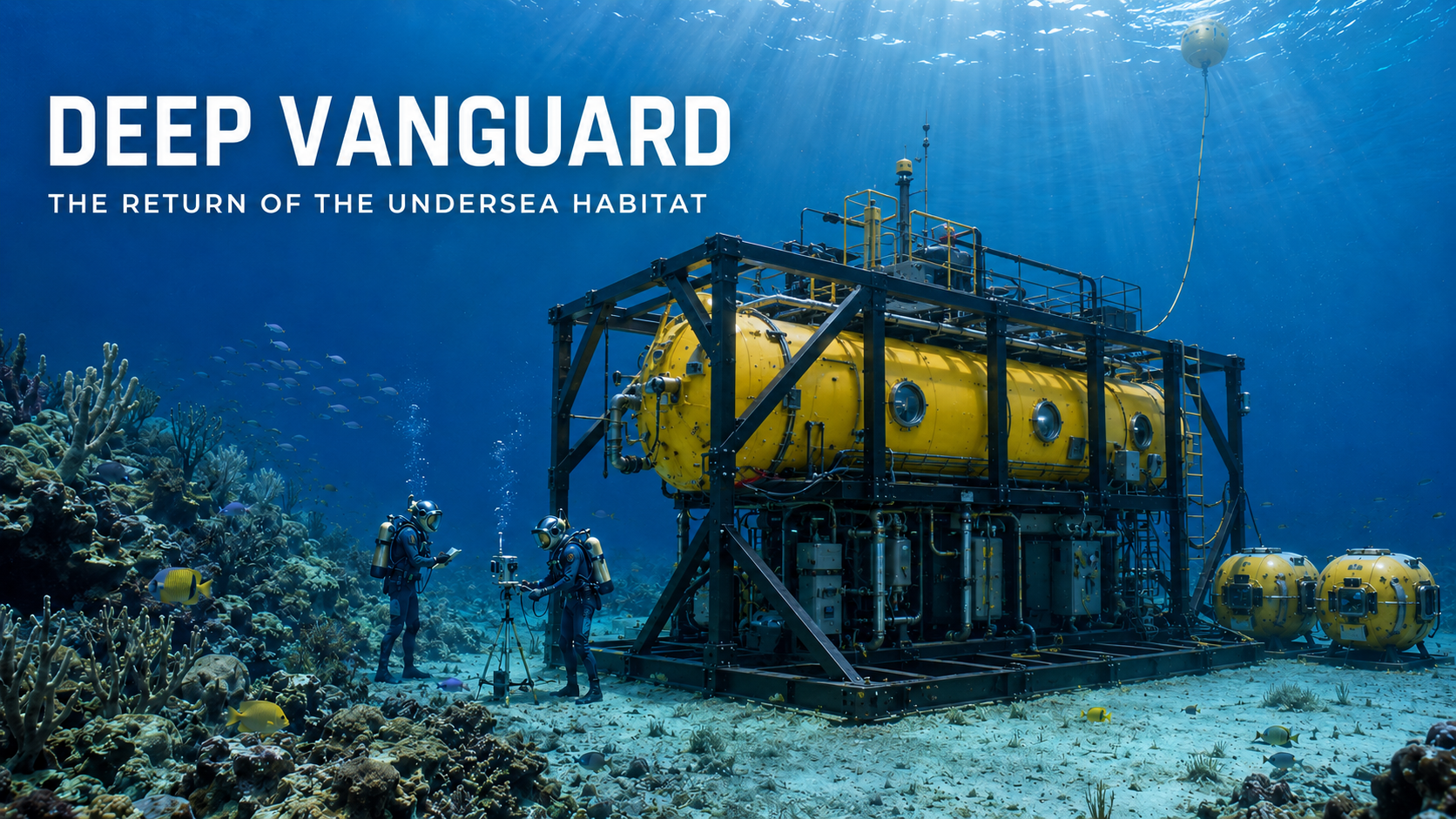
Vanguard: A New Era of Human Exploration Beneath the Sea
Vanguard Exploring Life Beneath the Sea
DEEP’s Vanguard underwater habitat offers a fascinating look at how living beneath the sea can support ocean research and help us prepare for exploration beyond Earth.
Explore Vanguard → Dave’s “Space”
Live world event
happening now!

See our “Dave’s Cool Stuff “ Page for more on this and others..
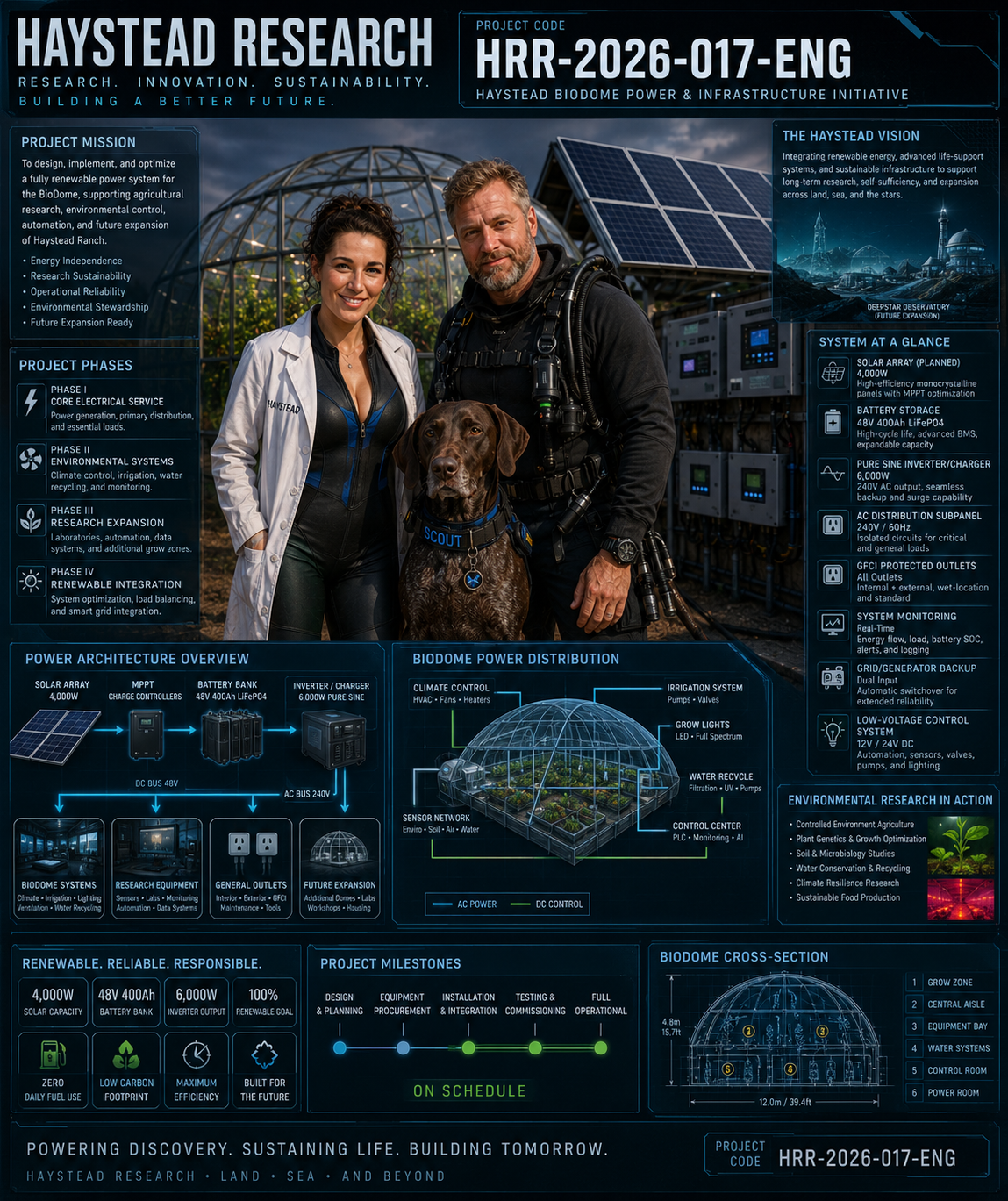
HRR-2026-017-ENG: BioDome Power & Infrastructure Initiative
As the Haystead BioLab continues to expand, so do its energy requirements. What began as a modest research facility powered through a connection to the main house has evolved into a complex scientific and agricultural research environment with growing demands for lighting, environmental controls, monitoring systems, communications equipment, water management, and future automation projects.
After careful evaluation, we have determined that the BioLab has reached the point where it must transition from a house-supported system to a dedicated, independent power infrastructure. This need has accelerated the timeline of our planned renewable energy program, moving the project from a future objective to an immediate priority.
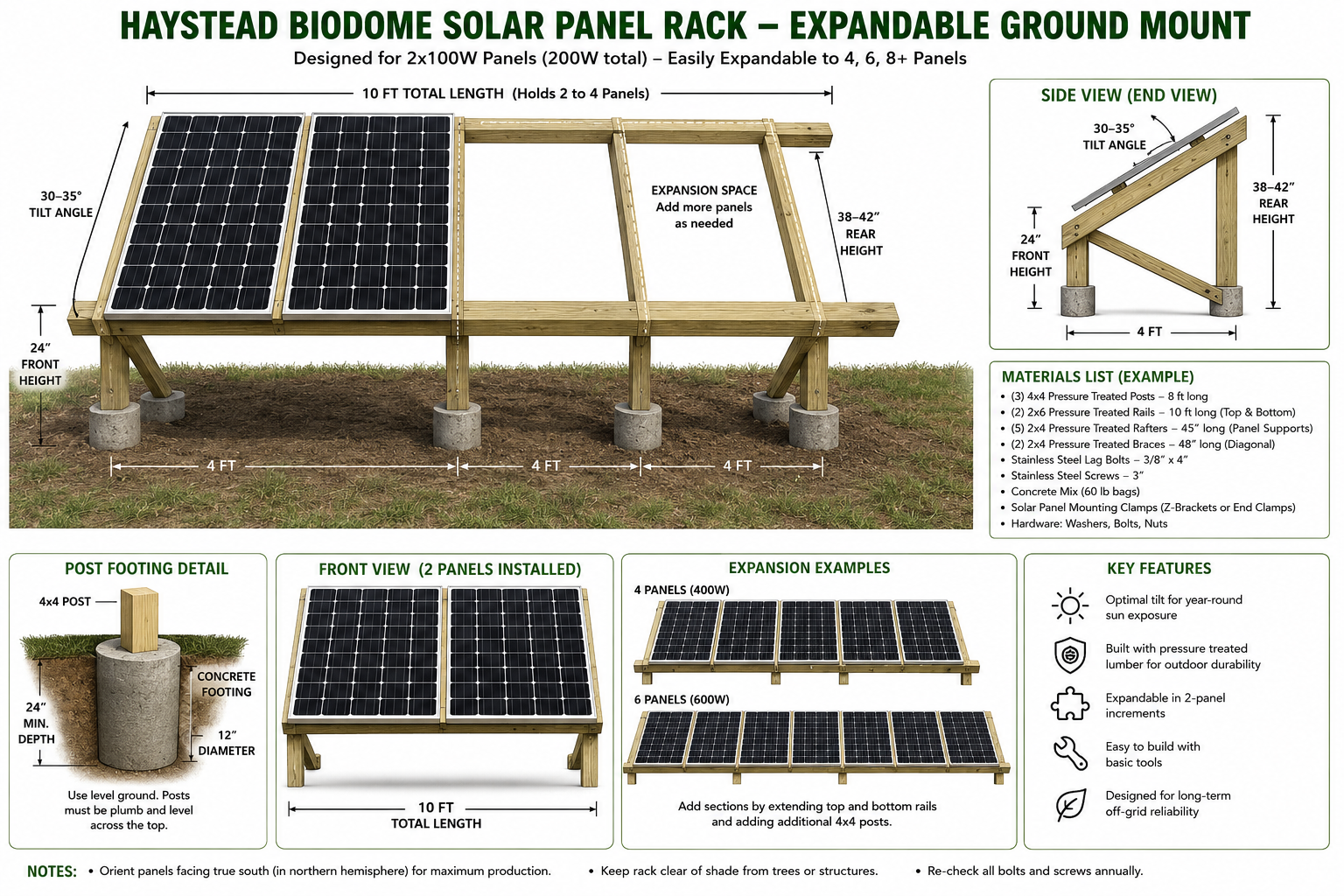
The BioDome Power & Infrastructure Initiative (HRR-2026-017-ENG) will establish a scalable solar-powered energy system designed to support current operations while providing room for future expansion. The project represents a major milestone in the Haystead Ranch mission of creating resilient, sustainable, and self-sufficient research facilities.
By investing in independent energy today, we are building the foundation that will allow the BioLab to continue growing without placing additional demands on household infrastructure, while advancing our long-term goals of sustainability, energy independence, clean agriculture and scientific research excellence.
Project Status: Active - Phase I Construction Beginning Immediately.
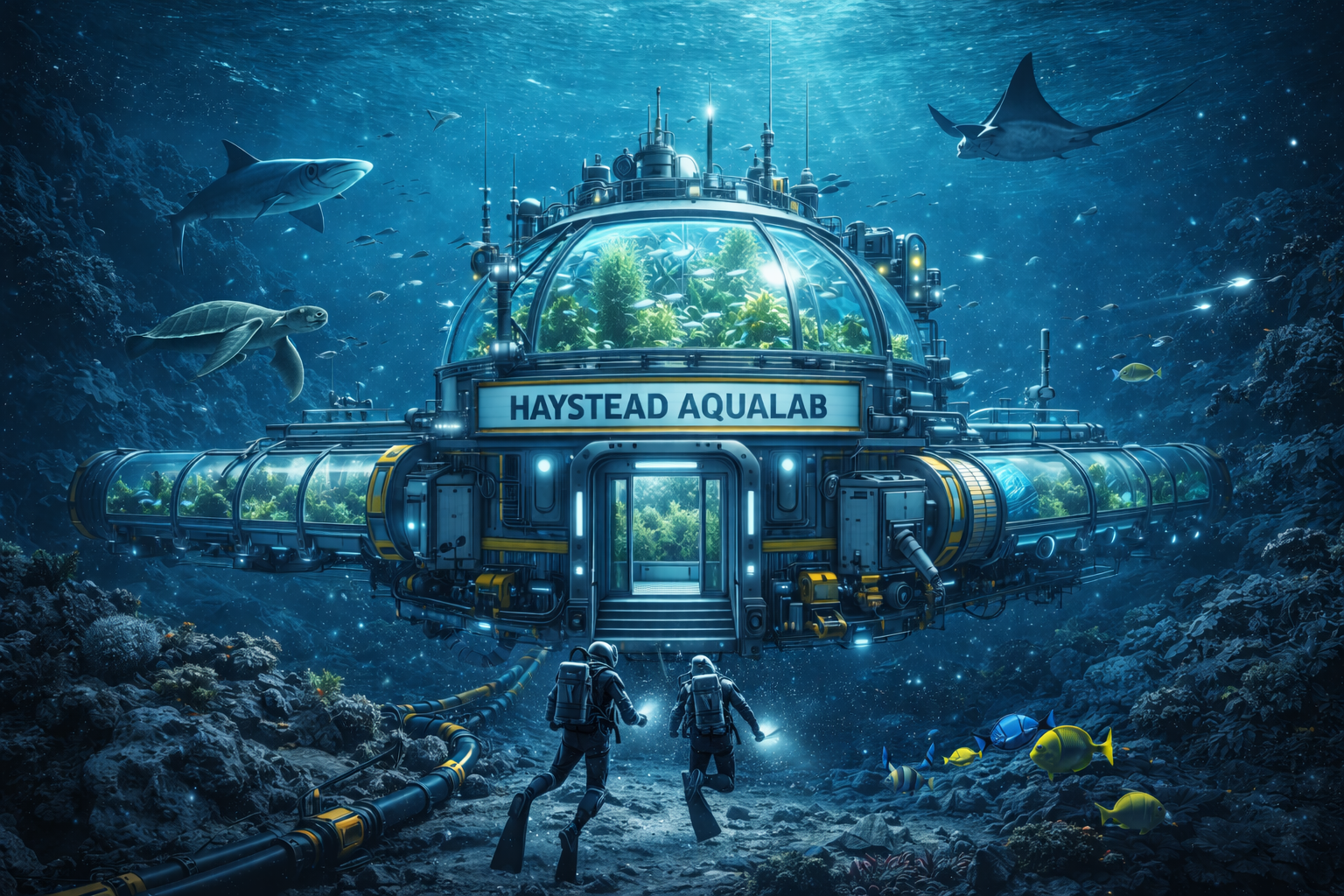
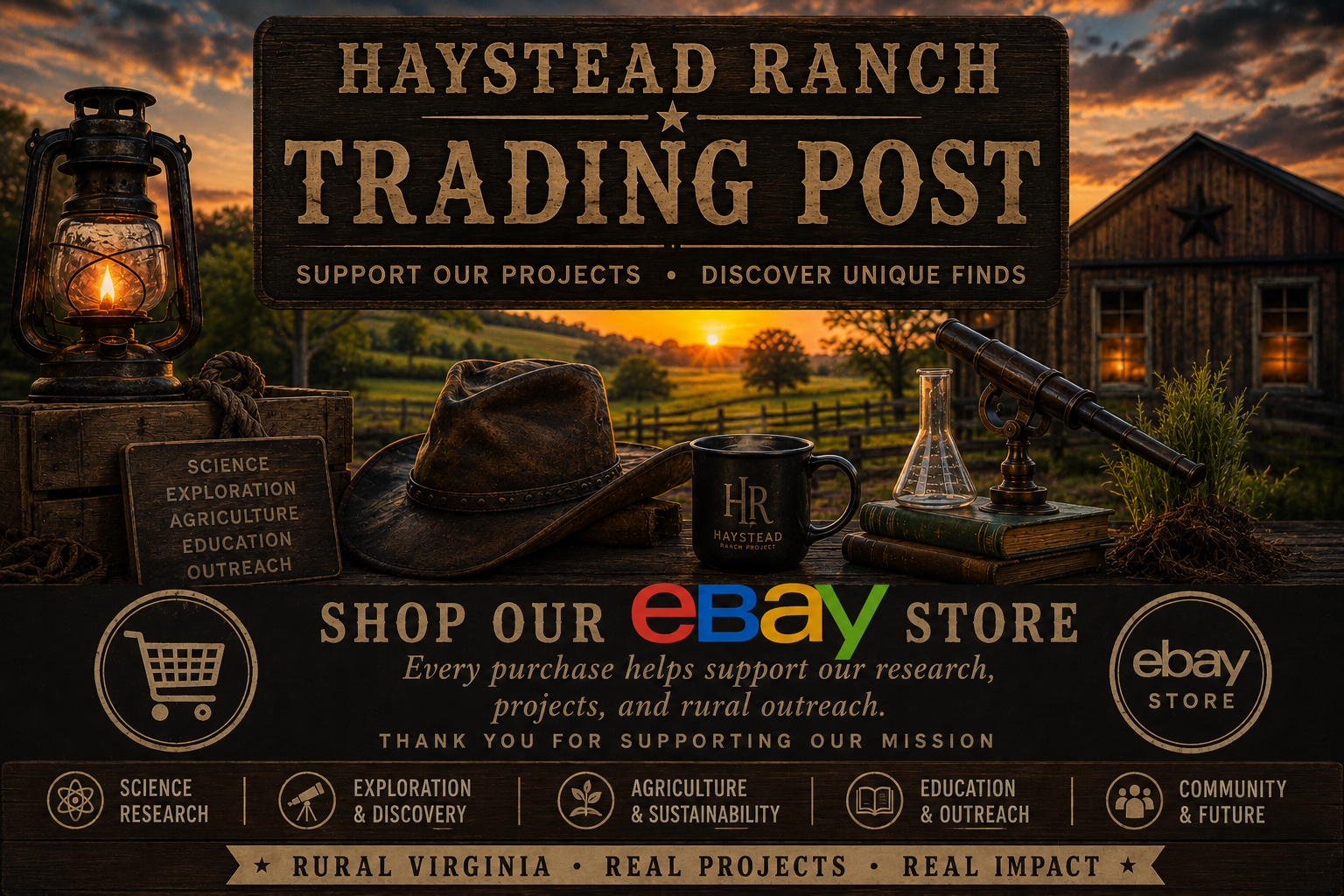
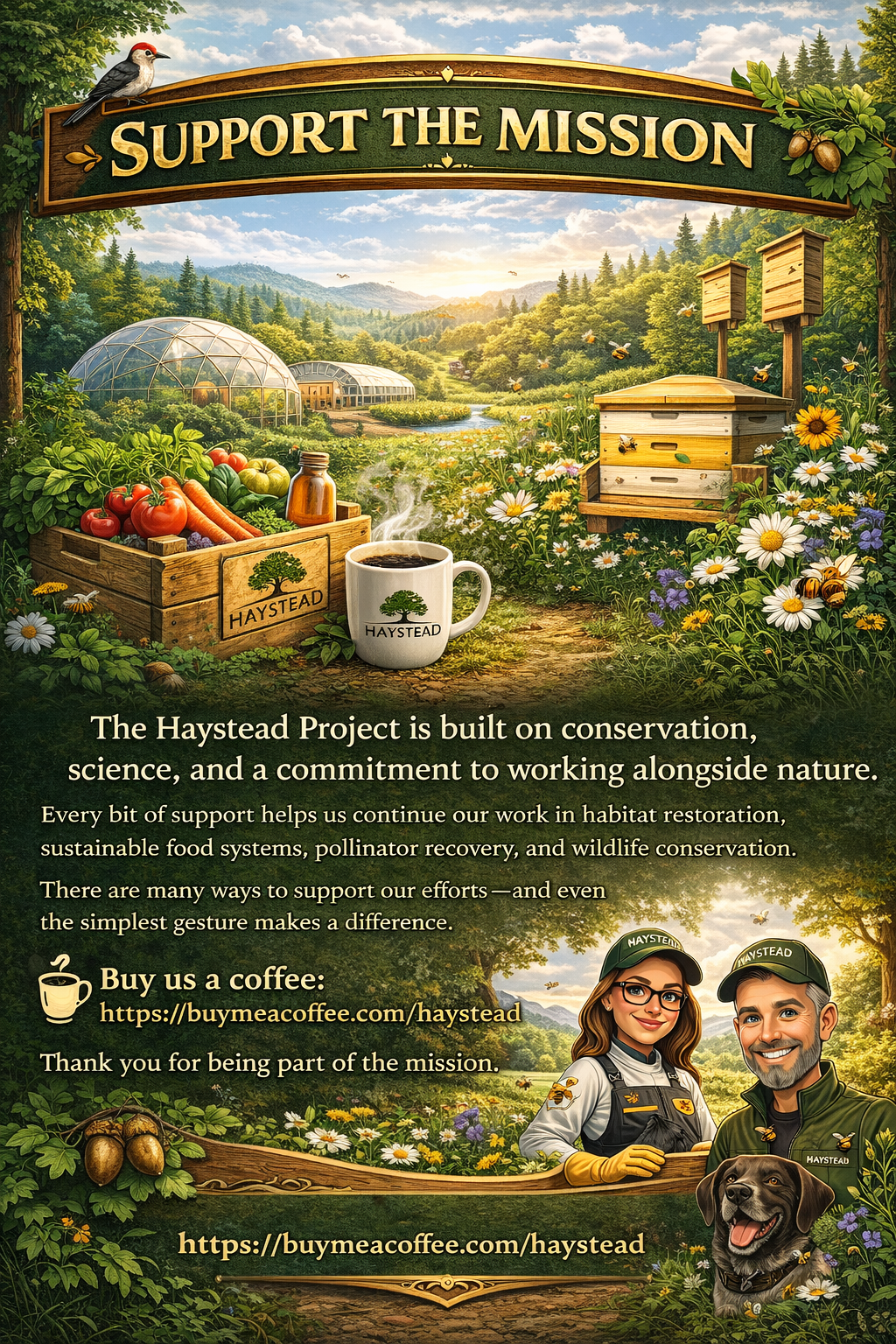
Ways to support the Haystead Project







Proud Supporter of Science in Virginia !
We support science education and maintain memberships with museums and educational organizations.
Members of the Virginia Science Museum and the Dome!
Proud Pulsar Infinite Members
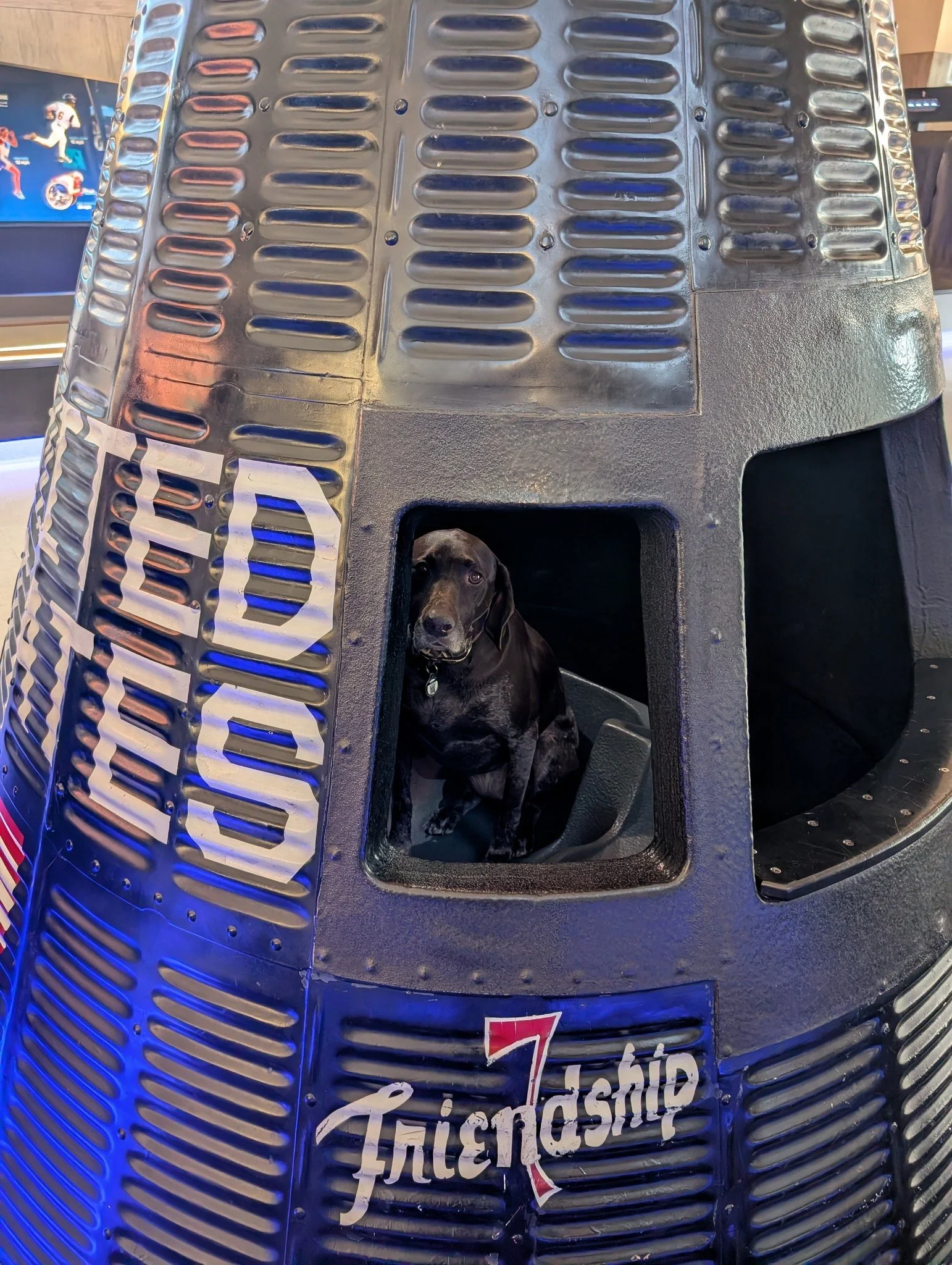
Members of …


And most importantly