
The team behind the science of pasture-raised livestock and produce.
Healthy food, healthy living.
"Nature's a lot better at inventing wonders than we are."
David Attenborough

The Objective
Sustainable food, practical self-reliance, and responsible living that ordinary families can afford, while allowing nature to do what it does best.
About the Haystead Ranch Project
Haystead Ranch is a privately operated, interdisciplinary working research farm and ranch located in Buckingham County, Virginia.
The Haystead program brings together field science, biological research, astronomy, ecological stewardship, sustainable agriculture, engineering, and hands-on experimentation in an environment dedicated to independence, exploration, education, and discovery.
Our philosophy is simple: use science to better understand the natural world, then work with those natural systems rather than against them.
About David & Laura
We are a family homestead and independent research project led by science professionals who chose a path toward greater self-reliance and less dependence on fragile, centralized systems.
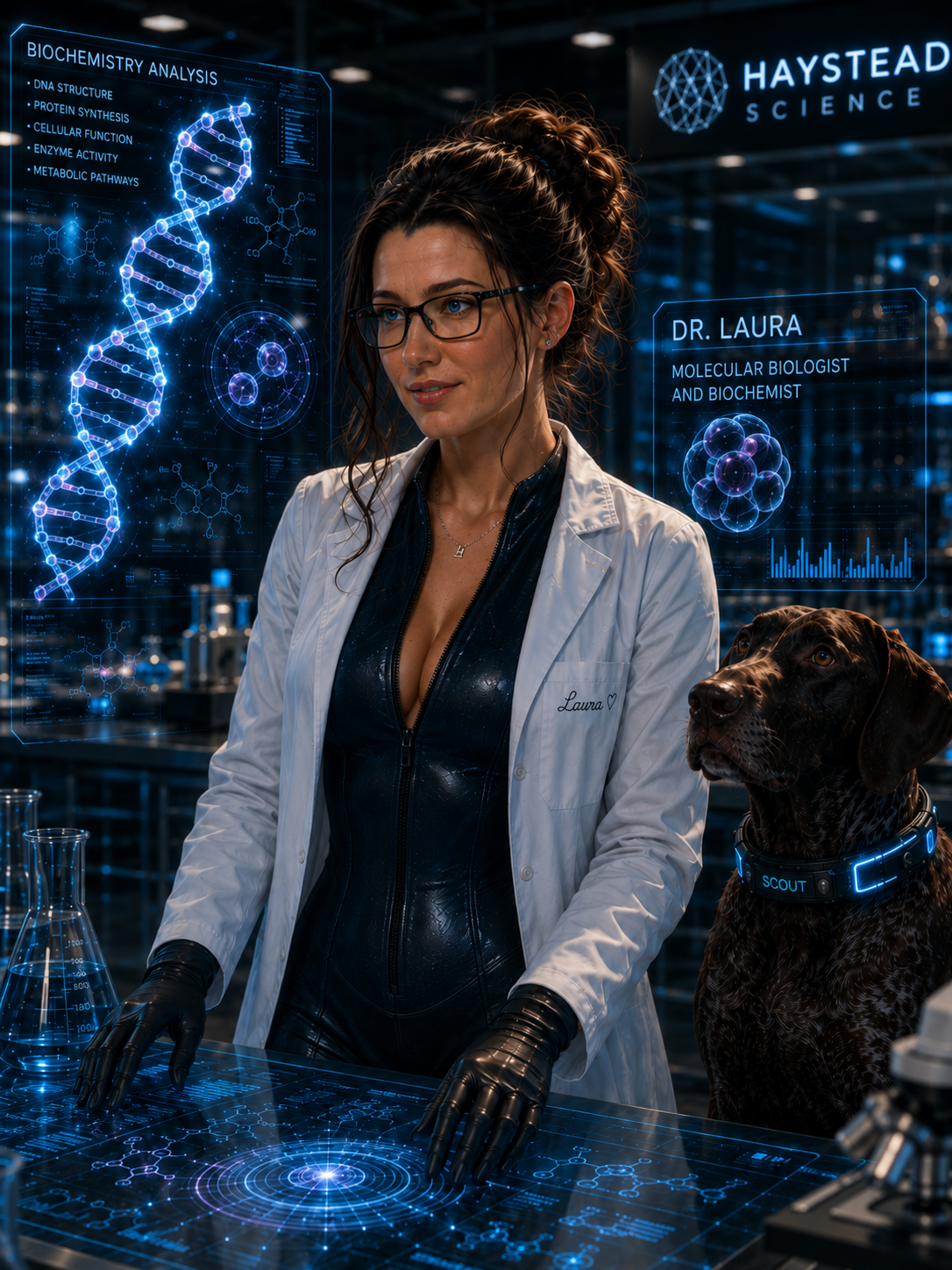
Dr. Laura Hay, with doctoral degrees in Molecular Biology and Biochemistry, serves as the life sciences authority at Haystead Ranch. Her academic background, combined with decades of real-world experience in cutting-edge laboratory science, research, assay services, laboratory development, and scientific operations, brings professional scientific rigor to the Haystead program.
Laura is also a certified Divemaster and has spent years participating in our family's diving and research activities. Her particular love of sharks and shark diving reflects the field-science side of a career otherwise rooted heavily in the laboratory.
More recently, Laura has expanded her scientific work into artificial intelligence and its applications in the life sciences, with a particular interest in biochemistry, laboratory workflows, and scientific research.
Around Haystead, we sometimes describe her as the Tony Stark of Molecular Biology and Biochemistry.
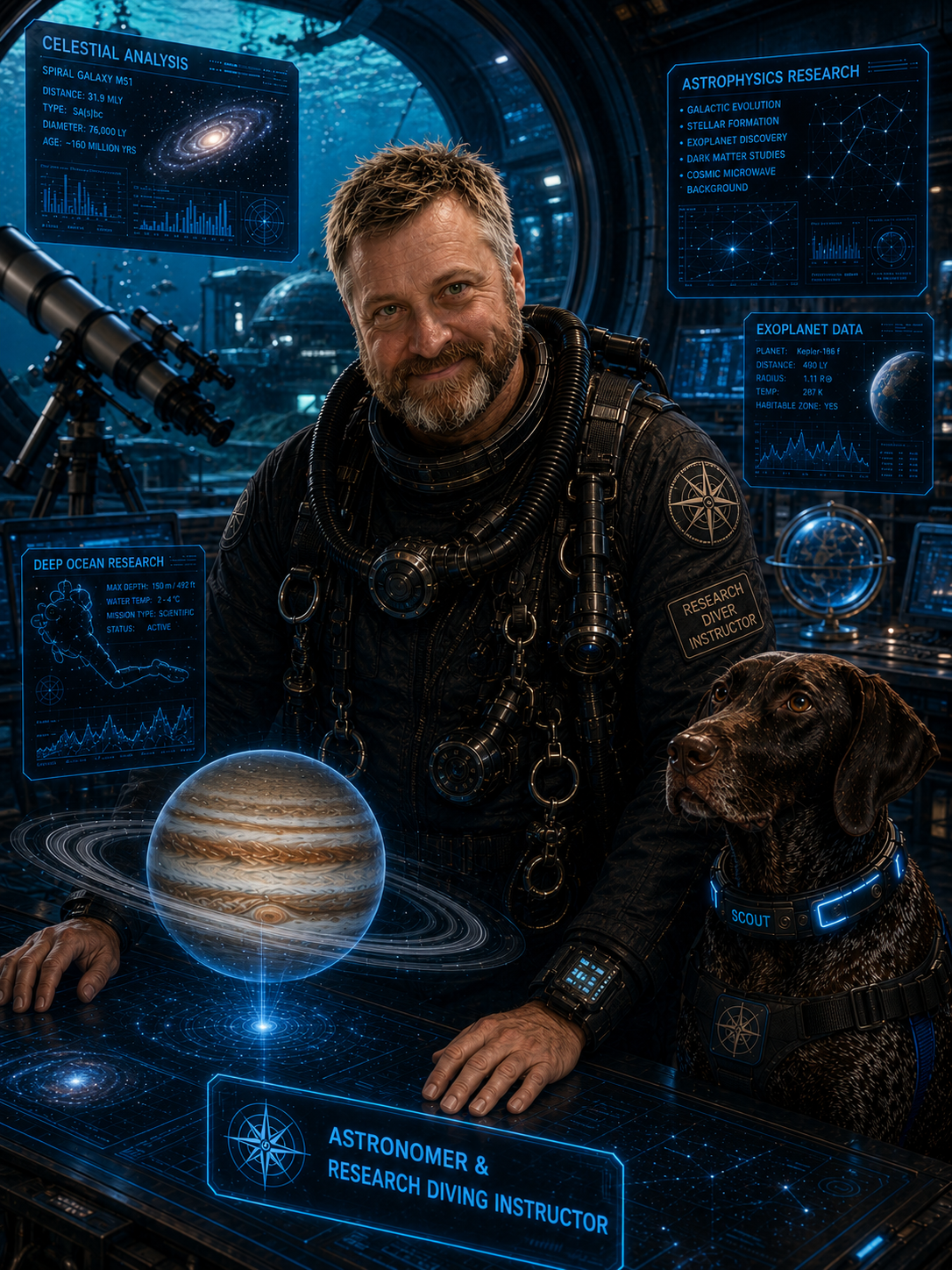
David Hay, a certified astronomer and multi-agency diving instructor, has spent nearly 30 years teaching recreational, technical, public-safety, professional, and scientific research diving.
For approximately 15 years, David and Laura owned and operated a professional dive school and retail operation specializing in recreational diving, technical diving, public-safety diving, and scientific research-diving education.
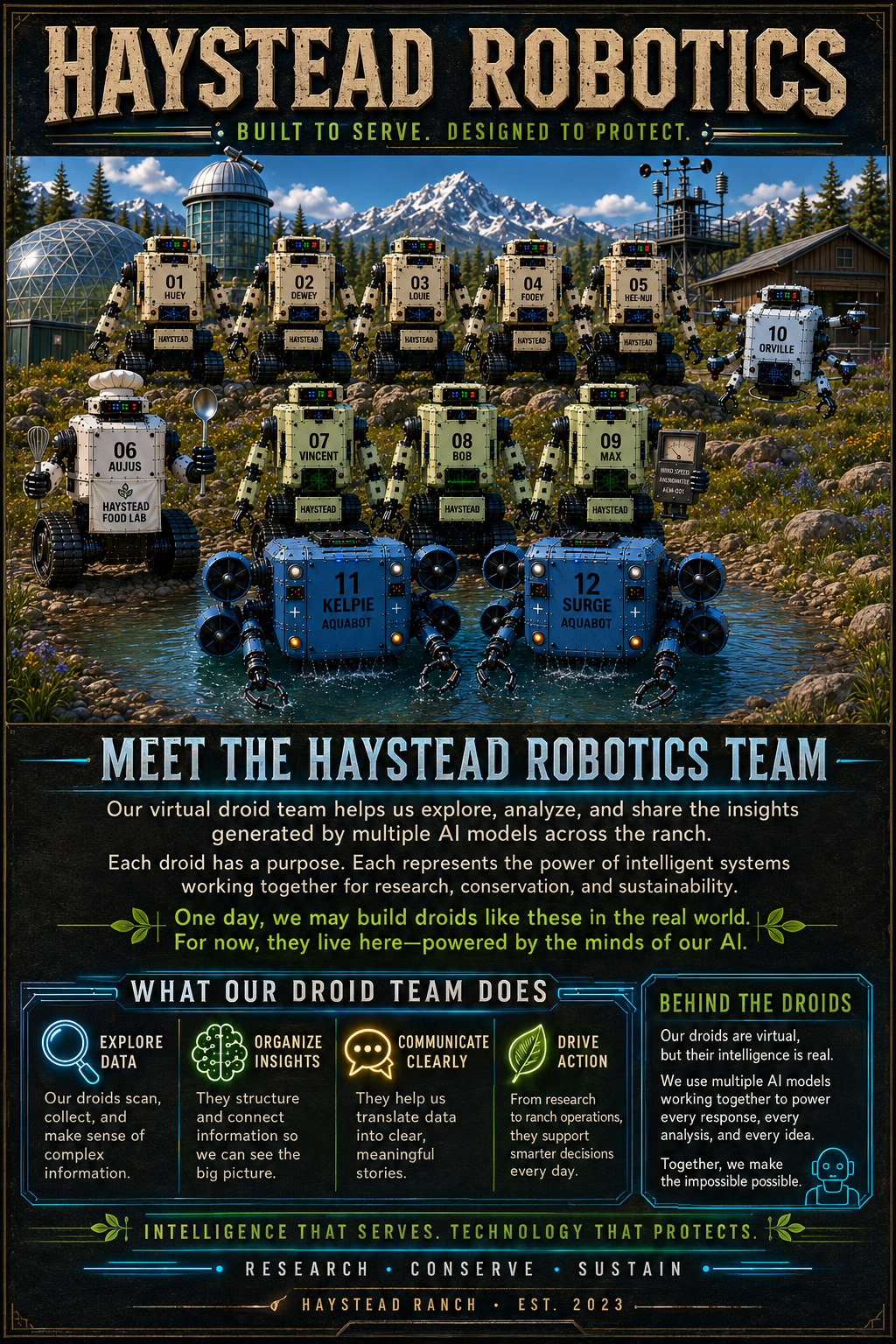
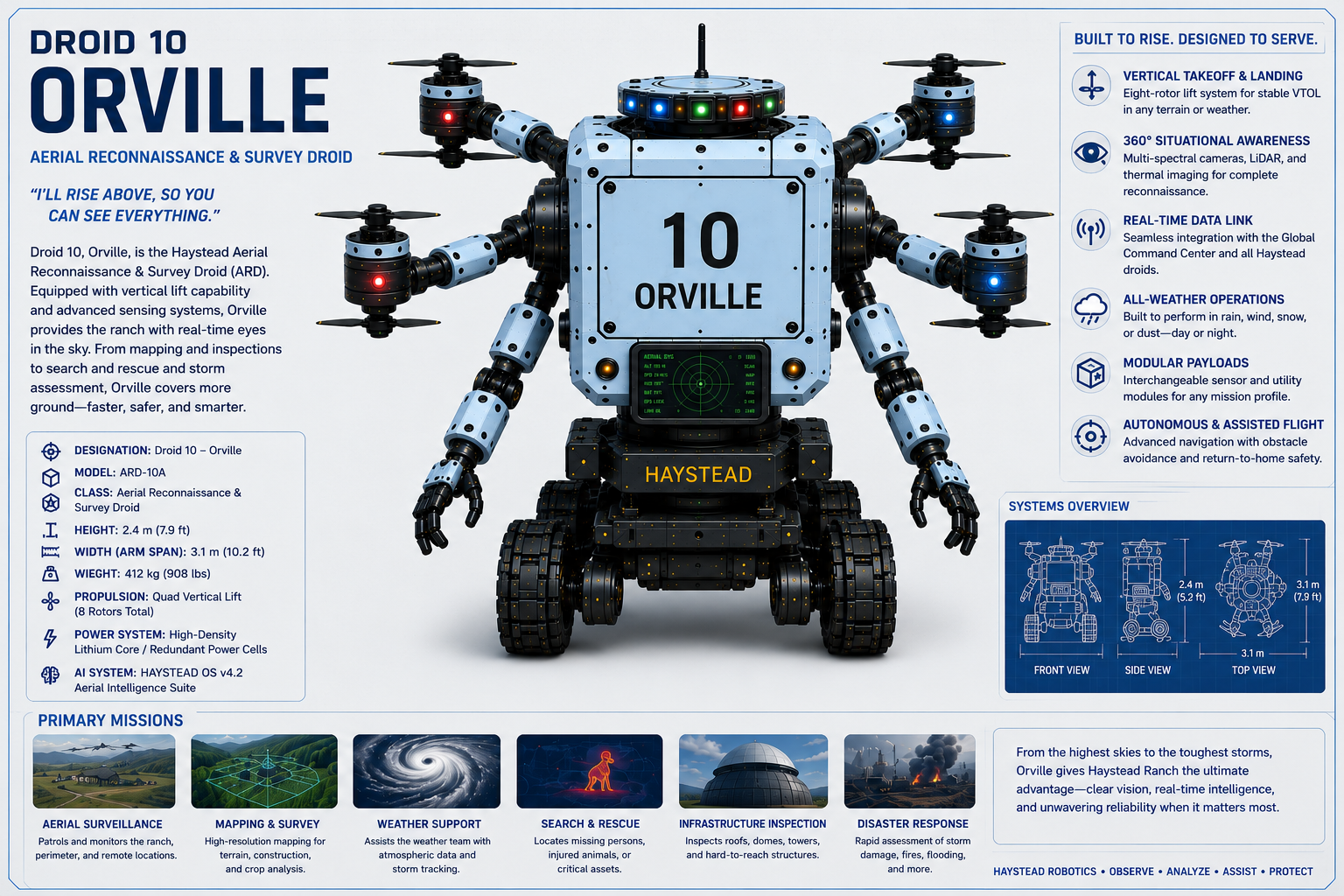
Today, David continues his studies in computer science, Linux, artificial intelligence, astronomy, and related technologies, with plans to expand further into robotics and programming.
The long-term vision is to continue extending Haystead's work across disciplines, from agriculture and ecology to marine science, computing, robotics, and astronomy.
From the bottom of the oceans to the stars, and all life in between.
Together, we are a science-driven partnership interested in understanding the natural world at every scale, from microorganisms and marine ecosystems to terrestrial agriculture and the larger systems of our universe.
The Plan
Growing our own food was only the beginning.
We committed ourselves to sustainable agricultural principles, pasture-based animal husbandry, seasonal growing cycles, ecological stewardship, and the practical independence associated with traditional homesteading.
What began as a project gradually became a way of life.
In 2018, we explored many different approaches to homesteading and self-reliance. None completely aligned with what we were trying to accomplish.
We wanted independence without isolation.
Self-reliance without extremism.
Scientific rigor without losing respect for natural systems.
So we developed our own homestead ideal.
It is a philosophy that blends science and nature, data and experience, stewardship and independence.
From that philosophy, the Haystead Ranch Project was born.
Like many people, we once simply trusted the larger food system to provide nutritious, healthy food. We assumed that what reached our table was wholesome, responsibly produced, and something we could understand simply by reading the package.
Eventually, we began looking more closely.
That led us into a continuing examination of food production, agriculture, nutrition, animal husbandry, soil, growing methods, preservation, and the increasingly complicated journey between farm and table.
Along the way, we rediscovered something remarkably simple:
Good food does not need to be complicated.
Whenever possible, food should be allowed to grow and ripen naturally.
Sunlight.
Clean water.
Healthy soil.
Fresh air.
Proper nutrition.
Time.
The fundamentals still matter.
We chose to pursue nutrient-dense, naturally ripened food grown and raised as close to home as practical, with a known history and without unnecessary shortcuts.
But we were not only looking for healthier food.
We were looking for flavor.
Integrity.
Independence.
And affordability.
A better way to eat and live should not require a fortune, nor should it depend on vague marketing labels or empty promises.
The Mission
In 2018, we purchased land in beautiful Buckingham County, Virginia, and began turning the Haystead Ranch Project into a working reality.
Our mission is straightforward:
To develop and demonstrate a practical, science-based approach to local, family-scale agriculture, self-reliance, conservation, and responsible land stewardship.
Our work includes:
Sustainable and scientifically defensible land-management practices
Ethical, pasture-based animal systems
Seasonal and regional food production
Soil improvement and regenerative growing methods
Greenhouse and controlled-environment agriculture
Conservation and wildlife habitat projects
Astronomy and environmental monitoring
Scientific field research and citizen-science projects
Engineering, technology, computing, and experimental systems
Greater household and farm self-sufficiency while remaining part of the surrounding community
Farm gleaning and food-box programs supporting local families
Haystead is deliberately interdisciplinary.
A project may begin in the BioDome, continue through the laboratory or computer systems, involve observations from the field, or end with a telescope pointed toward the night sky.
That is the point.
Science is not divided into neat little boxes in the real world, and neither is Haystead.
When you support Haystead Ranch or purchase something produced here, you are supporting more than a farm.
You are supporting responsible land management, ethical food production, independent scientific exploration, local resilience, community food access, conservation, and the long-term health of the land we are fortunate enough to steward.
Our Conclusions
One of the most important things we have learned is that many people genuinely care about where their food comes from, how animals are raised, what happens to the land, and how much control they have over the systems their families depend upon.
Many simply do not know where to begin.
When we started sharing our own journey, we discovered that we were far from alone.
We have also learned just how remarkable food can taste when it is grown, raised, harvested, prepared, and preserved with care.
And we have learned something even more important:
We do not have to destroy the land to use it.
We do not have to disregard animal welfare to feed ourselves.
We can respect seasonal cycles.
We can protect wildlife while producing food.
We can use modern science without abandoning generations of practical knowledge.
We can embrace technology without surrendering independence to it.
And we can become more self-reliant without separating ourselves from our community.
There is no finish line to the Haystead Ranch Project.
Every season produces new questions, new experiments, new successes, and occasionally spectacular failures. All of them teach us something.
Eight years after purchasing the property, Haystead continues to evolve.
The farm has become a laboratory.
The laboratory has expanded into the field.
The field reaches from the soil beneath our feet to the waters we explore and the night sky above us.
And we are still learning.
If you are interested in the Haystead Ranch Project, our research, our experiments, or simply following along as we figure things out, we invite you to explore the site and join us on the journey.
Thank you for your support.
David & Laura
Haystead Ranch Project
From the bottom of the oceans to the stars, and all life in between.
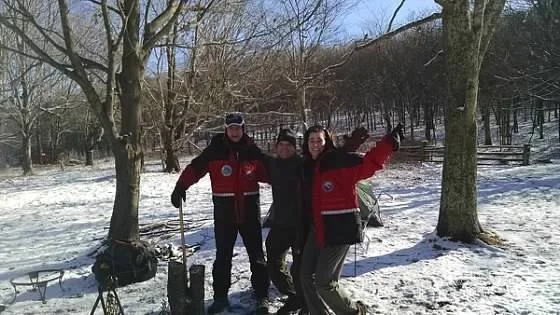

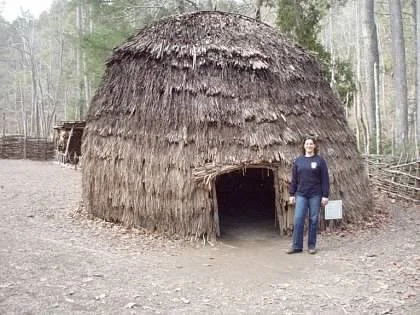
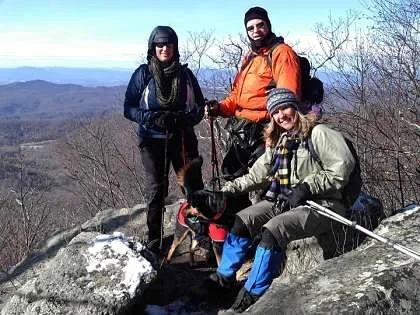
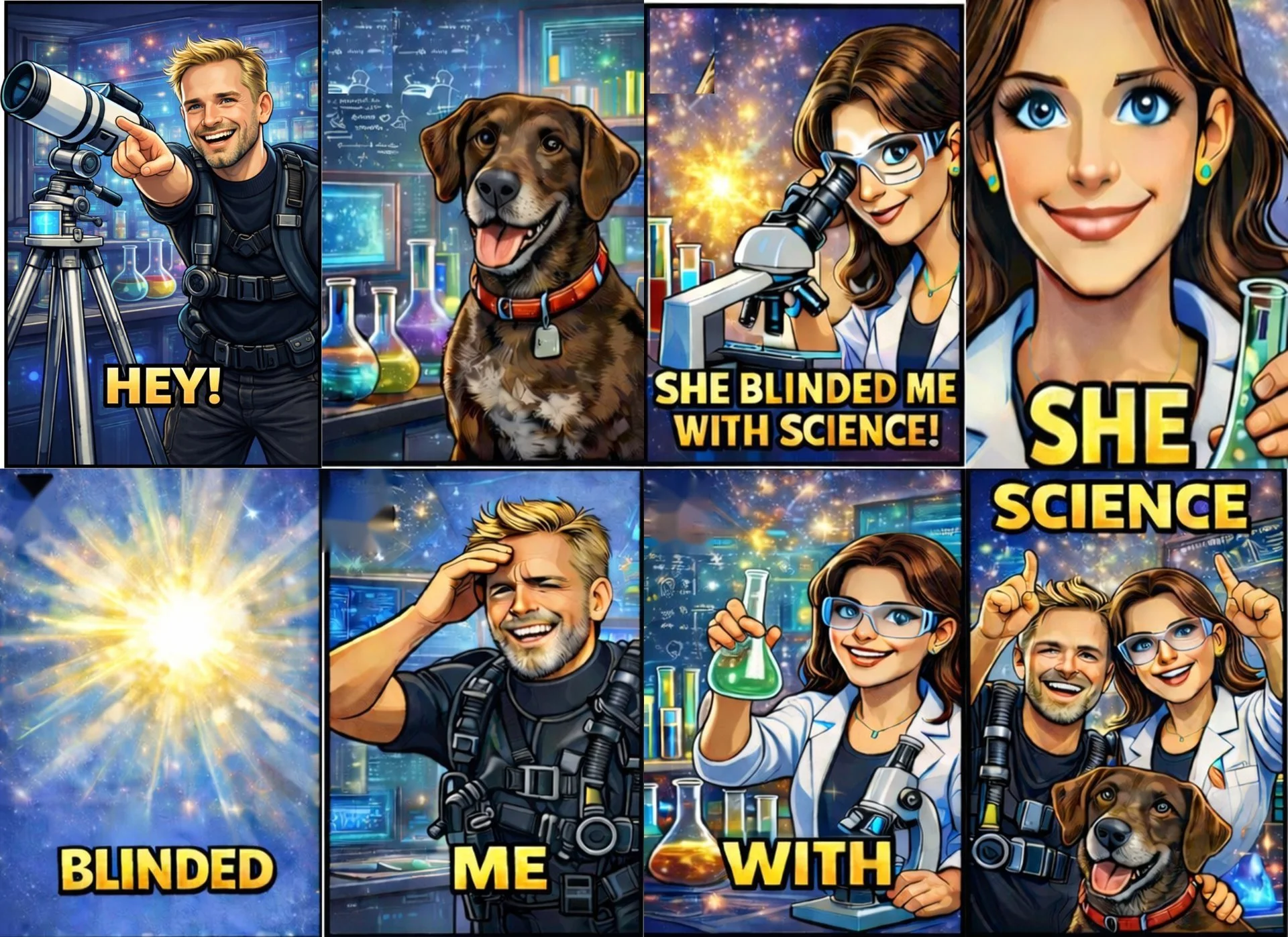
Haystead Ranch is a completely independent project, and this site simply documents our journey as we share it. We make no claims, guarantees, or promises regarding the information presented.
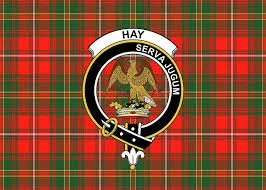
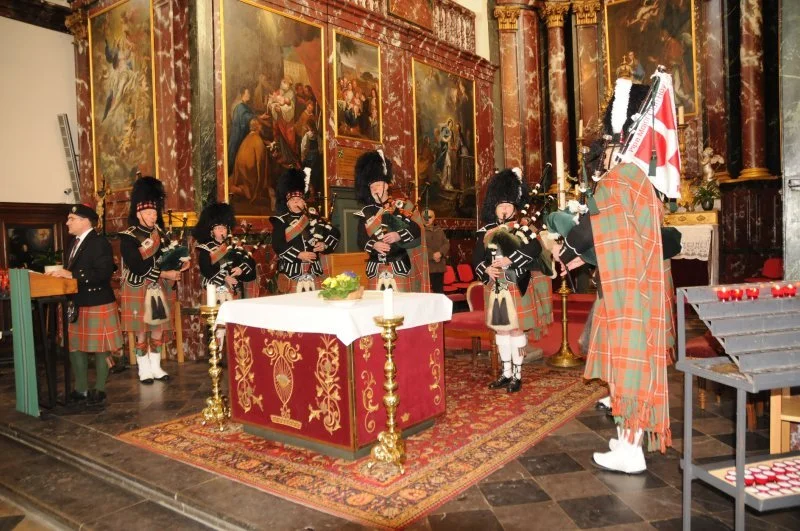
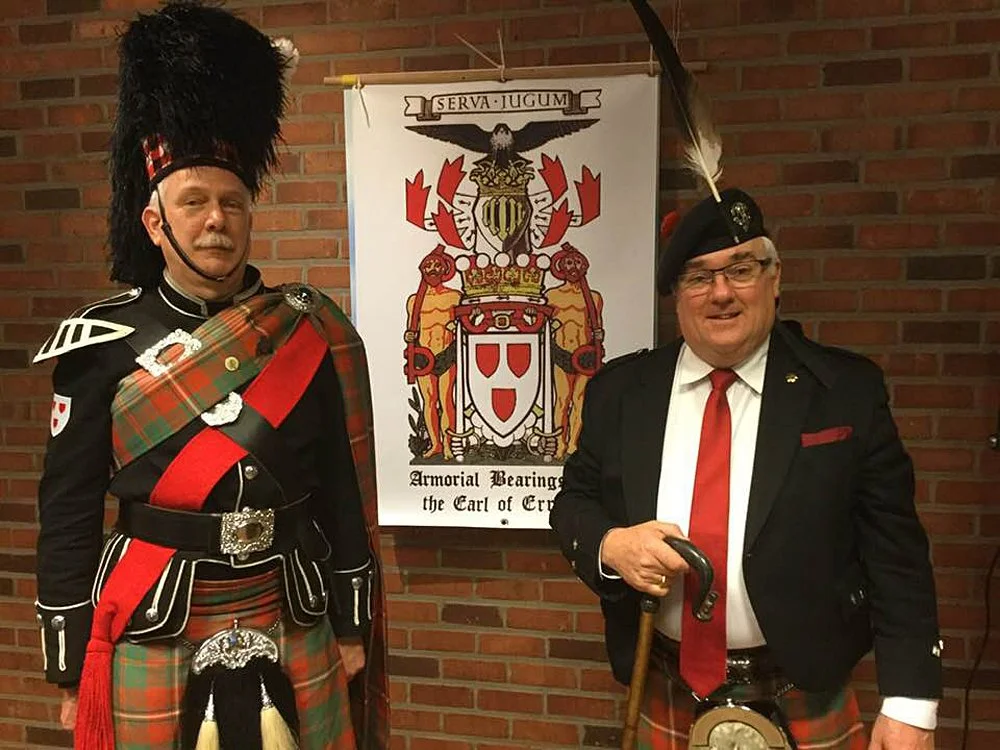
The Legend of the Hay Clan
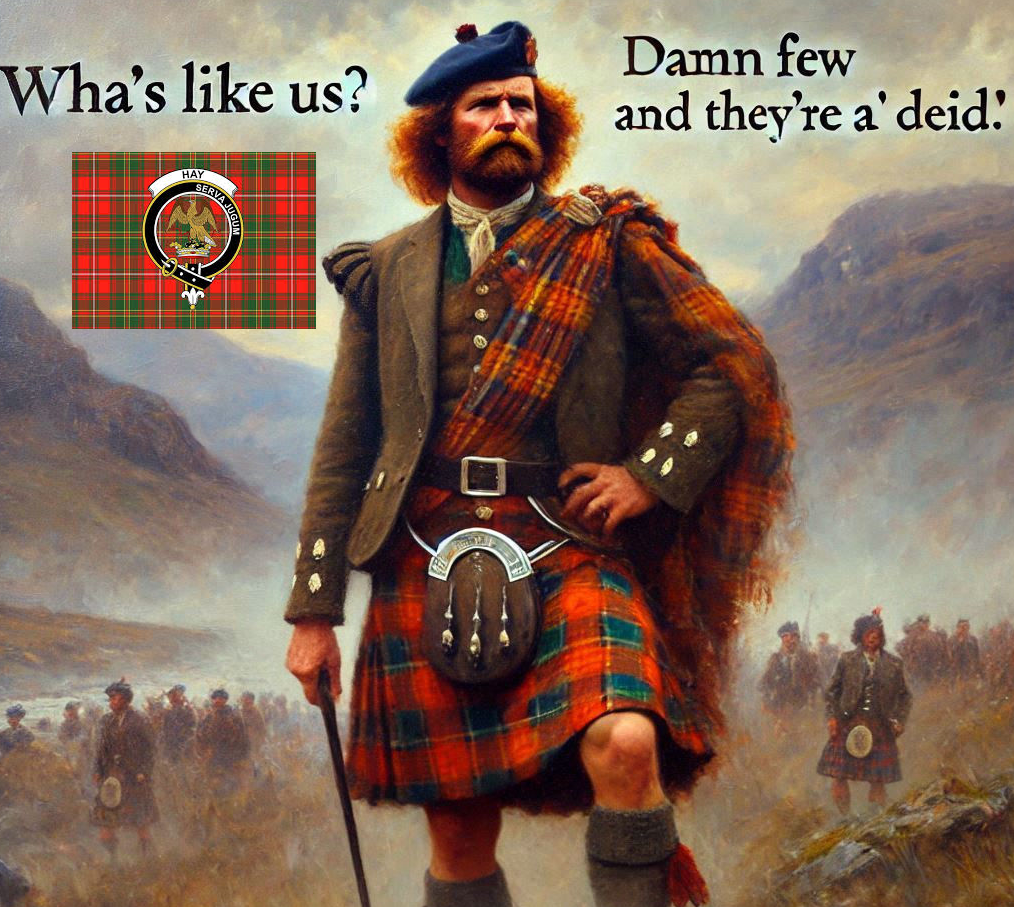

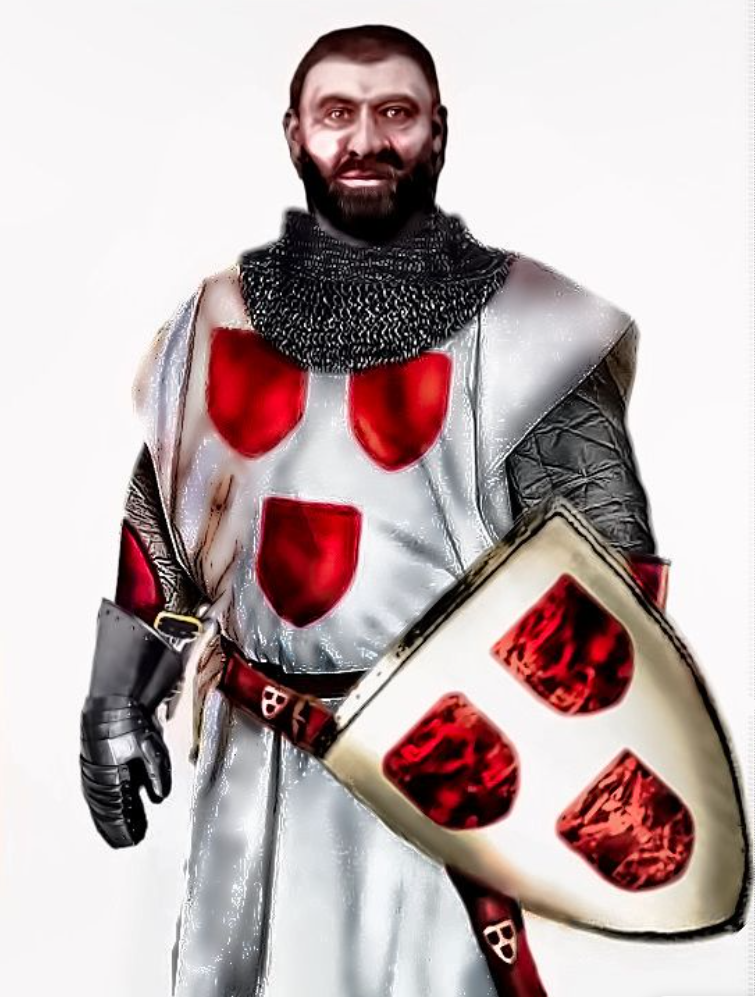
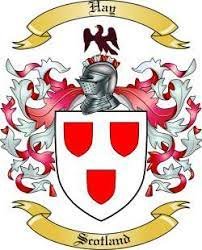
The origins of the mighty Hay Clan high protectors of Scotland
The legendary origin of the Hays is the stuff of fairy tales. In the year 971, Scotland was subjected to attack from Viking marauders who had crossed the North Sea and proceeded up the Tay estuary to Perth. King Kenneth II, resident at Scone, attempted to repel them, but his army was routed in an engagement at Luncarty, north of Perth. A farmer and his two sons, ploughing in a nearby field, had watched the proceedings, and these three men, all of huge physical stature, removed the yokes from their oxen and used them to bar the way of the fleeing Scots soldiery. The peasant and his sons rallied the fleeing troops and led them back to victory, driving the Danes into the Firth of Tay.
The Hay Clan became the official body guards and was always at the side of Robert the Bruce and helped establish him on the throne. Bruce gifted the lands of Slains in Aberdeenshire to Sir Gilbert Hay together with the office of High Constable in recognition of his services. Sir Gilbert was one of the barons who signed the famous Declaration of Independence at Arbroath in 1320.
Serva jugum A Hay! A Hay! A Hay!